
tempered glass production
Understanding Standard Bore Gauges A Comprehensive Overview Bore gauges, specifically standard bore gauges, are essential tools in the realm of machining and manufacturing. They play a critical role in ensuring that cylindrical components, such as pipes, barrels, and engine cylinders, meet precise dimensional specifications. This article explores the importance, functionality, and applications of standard bore gauges, highlighting their significance in industrial processes. What is a Standard Bore Gauge? A standard bore gauge is a precision instrument used for measuring the internal diameter of a cylindrical workpiece. Unlike other measuring tools, bore gauges are designed to fit inside the workpiece, allowing for direct measurement of the bore's inner dimension. These gauges come in various forms, including mechanical and electronic types, and are typically calibrated to specific sizes for accurate measurements. The Mechanics of Bore Gauges The standard bore gauge consists of a probe or measuring head, a measurement scale, and a handle for ease of use. When the gauge is inserted into the bore, the probe expands to touch the inner walls of the cylinder, providing a measurement based on the distance traveled. The measurement can then be read on the gauge's scale, enabling operators to determine if the bore meets the required specifications. There are several types of bore gauges 1. Dial Bore Gauges Featuring a dial indicator, these are mechanical gauges that provide a visual reading of the bore's size. They are widely used due to their simplicity and reliability. 2. Digital Bore Gauges These gauges offer electronic readings, often with enhanced features such as data storage, connectivity, and more precise measurements. They are particularly useful in environments where speed and accuracy are paramount. 3. Tapered Plug Gauges These are used for go/no-go measurements, ensuring that a bore is within the limits set by industry standards. Importance of Standardization standard bore gauge The term standard in standard bore gauges emphasizes the need for uniformity in measurements. Standardization is crucial in manufacturing because it ensures that parts are interchangeable and meet global production criteria. This consistency is vital for industries such as automotive, aerospace, and machinery, where even minor deviations can lead to costly errors or unsafe products. Furthermore, standard bore gauges are calibrated against established measurement standards, ensuring accuracy and reliability. This calibration process is critical as it aligns the measurements taken with national and international standards, facilitating quality control processes. Applications in Industry Standard bore gauges find applications across various industries - Automotive In the automotive sector, bore gauges are integral to engine manufacturing, where precise measurements of cylinders affect engine performance and efficiency. - Aerospace Aerospace components often require stringent measurement tolerances. Bore gauges help ensure that aircraft parts meet the high safety and performance standards necessary for aviation. - Oil and Gas In oil and gas exploration, the durability and performance of pipes and valves are crucial. Bore gauges are used to inspect and ensure that these components fit together properly and can withstand operational pressures. - Manufacturing In general manufacturing, bore gauges are used to monitor and control the quality of parts during the production process, significantly reducing the likelihood of defects. Conclusion In conclusion, standard bore gauges are indispensable tools in the manufacturing world, providing precise internal measurements critical for quality control and assurance. Their ability to maintain standardization across different industries assures that components are both safe and functional. Whether in automotive assembly lines, aerospace settings, or oil rigs, the reliance on accurate measurements provided by bore gauges underpins the efficiency and safety of modern industrial operations. As technology continues to evolve, so too will the capabilities and applications of standard bore gauges, solidifying their place in precision engineering for years to come.
about
tempered glass production
Understanding Thread Ring Gauges Importance and Applications Thread ring gauges are precision measuring tools used predominantly in manufacturing industries to ensure the accuracy and quality of threaded components. These gauges are meticulously designed and manufactured to check the external and internal threads of screws, bolts, and other fasteners. The significance of thread ring gauges lies primarily in their ability to maintain the integrity of threads, which is crucial for ensuring proper assembly and functionality of mechanical components. What is a Thread Ring Gauge? A thread ring gauge is a circular gauge that is used to measure the external threads of a male component. It typically features a cylindrical shape with a defined thread profile that matches the standardization of various thread types, such as metric or imperial threads. The two primary types of thread ring gauges are the go gauge and the no-go gauge. The go gauge confirms that the dimensions and profile of the threaded component are within acceptable limits, while the no-go gauge ensures that the dimensions do not exceed tolerances. Importance of Thread Ring Gauges 1. Quality Control In industries where precision is paramount, thread ring gauges are indispensable for quality control processes . They help detect defects in threaded parts early in the manufacturing process, minimizing the risk of defective products reaching the end-user. This proactive approach to quality control ultimately reduces waste and increases efficiency. 2. Interchangeability Threaded components are often required to be interchangeable across different applications. By using standard gauges, manufacturers can ensure that their threaded products meet specific requirements, allowing them to be compatible with fasteners, fittings, or other mechanical parts from different manufacturers. This interchangeability is essential in assembly lines where consistency and reliability are required. 3. Regulatory Compliance Many industries, especially aerospace, automotive, and construction, are subject to strict regulatory standards. The use of thread ring gauges helps manufacturers comply with these regulations by ensuring that their products meet required specifications and safety standards. Regular inspections using these gauges can help avoid costly recalls and legal issues. thread ring gauge 4. Longevity and Performance Threads that are not properly dimensionsed can lead to malfunctioning assemblies, causing costly downtime and failures. Using thread ring gauges helps maintain the integrity of the threads, ensuring that products perform effectively throughout their intended lifespan. In critical applications, this reliability can be the difference between safety and potential catastrophe. Applications of Thread Ring Gauges Thread ring gauges are used in various sectors, including - Manufacturing In factories, thread ring gauges play a key role in monitoring and verifying the quality of threaded products being produced. They are an integral part of machining processes where precise thread dimensions are required. - Automotive Industry In the production of vehicles, many components rely on threaded parts. Thread ring gauges are used to ensure that these components will fit together securely, contributing to the overall safety and performance of the vehicle. - Aerospace The aerospace industry demands the highest precision, especially in components that must withstand extreme conditions. Thread ring gauges help ensure that the critical parts used in aircraft are up to standard. - Construction In construction, threaded components such as bolts and screws are essential for structural integrity. Thread ring gauges help guarantee that these components meet the necessary specifications to ensure the safety of buildings and infrastructure. Conclusion In summary, thread ring gauges are vital tools in today's manufacturing landscape. Their role in quality control, interchangeability, regulatory compliance, and overall product reliability underscores their significance in various industries. By investing in high-quality thread ring gauges and adhering to best practices in their usage, manufacturers can enhance their production processes, ensuring that they deliver reliable and safe products to the market. As technology continues to evolve, the precision and capabilities of these gauges will likely advance, further solidifying their role in modern manufacturing excellence.
-

High quality industrial productsagement

High quality industrial products
View Details -

Meet the diverse needs of customers

Meet the diverse needs of customers
View Details -

Strict quality control

Strict quality control
View Details -

Top raw materials

Top raw materials
View Details -

Trusted supplier

Trusted supplier
View Details
Our application

news and information
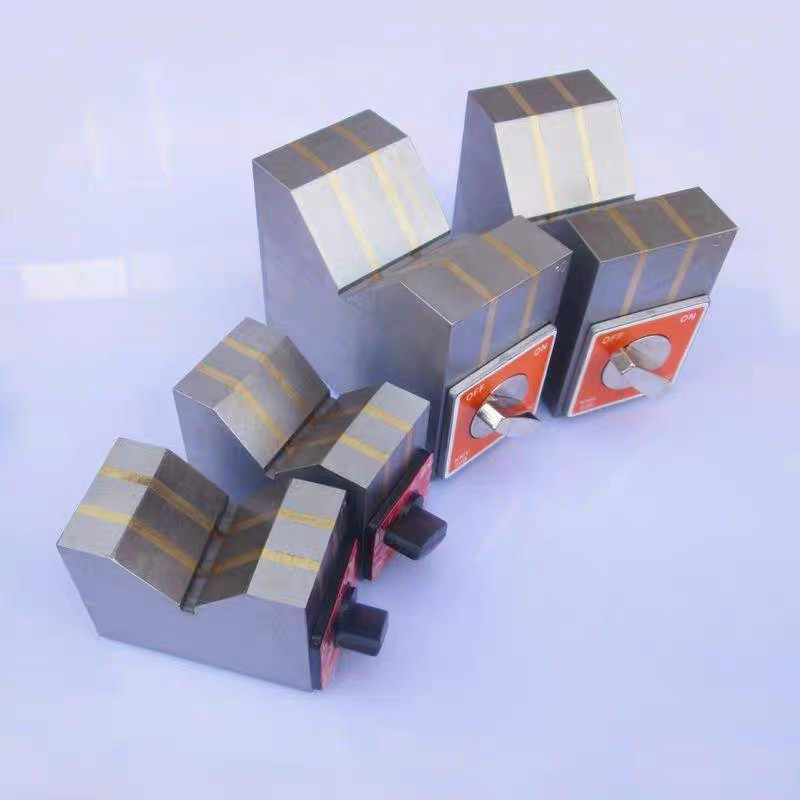
what is water valve
Understanding Water Valves Essential Components for Fluid Control Water valves are crucial devices i
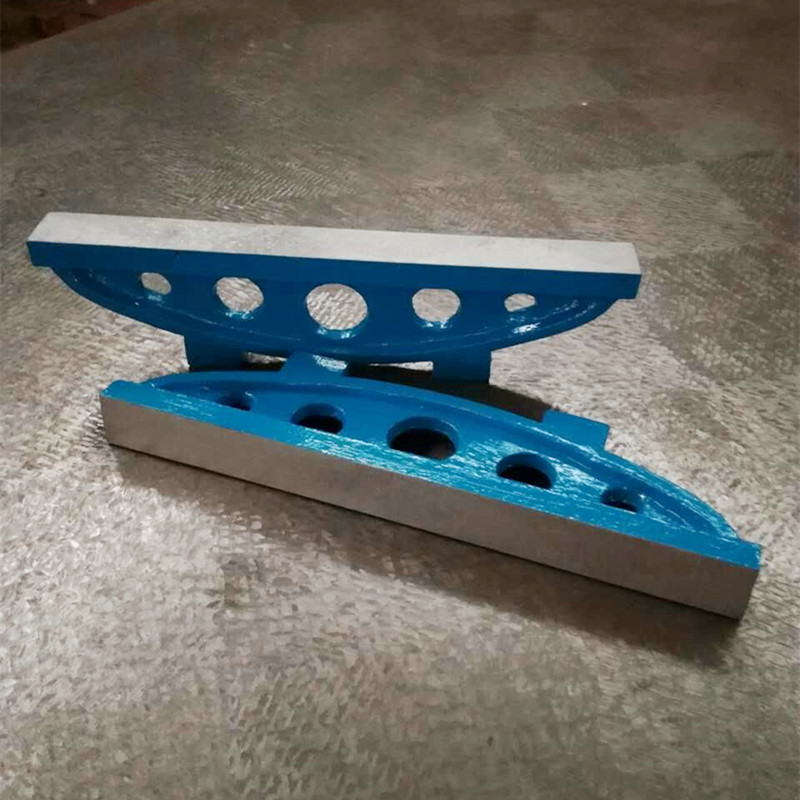
y type suction strainer
Understanding Y-Type Suction Strainers A Comprehensive Guide In various industrial applications, mai

valve gate valve
Understanding Valve Gate Valves An Essential Component in Modern Industry In various industrial appl
 English